
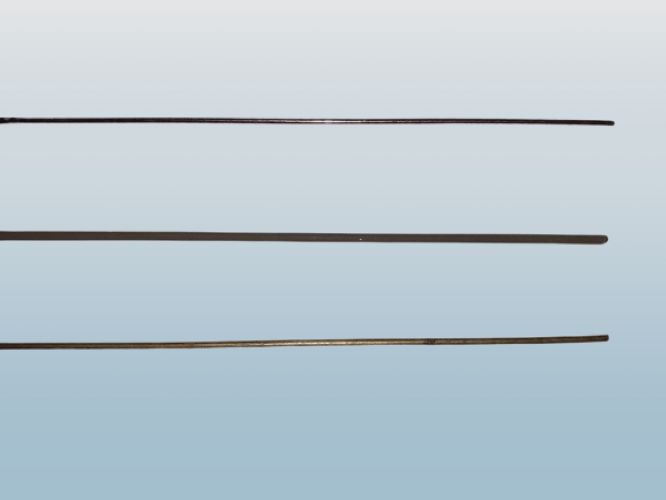
Welding rods, also known as welding electrodes, are essential components in the welding process, acting as a filler material and sometimes as an electrical conductor. They are used in various welding methods, including Shielded Metal Arc Welding (SMAW), Gas Tungsten Arc Welding (GTAW), and Gas Metal Arc Welding (GMAW). The selection of appropriate welding rods is crucial for achieving strong, durable welds and ensuring the integrity of the welded structure. This paper will explore the types of welding rods, their applications, and important considerations for selecting the right rod for specific welding tasks.
Types of Welding Rods
Welding rods come in a variety of types, each designed for specific welding processes and materials. The main types of welding rods include:
- Consumable Electrodes: These electrodes melt and become part of the weld. They are commonly used in processes like SMAW and GMAW.
- Shielded Metal Arc Welding (SMAW) Electrodes: Also known as stick electrodes, they are coated with flux to protect the weld area from oxidation and contamination. Common types include E6010, E6011, E6013, and E7018, each suited for different welding conditions and materials.
- Gas Metal Arc Welding (GMAW) Electrodes: Also known as MIG wires, these are fed through a welding gun and require an external shielding gas. Common types include ER70S-3 and ER70S-6, which are used for welding carbon steel.
- Non-Consumable Electrodes: These electrodes do not melt and become part of the weld. Instead, they serve as a conductor for the welding current.
- Gas Tungsten Arc Welding (GTAW) Electrodes: Also known as TIG electrodes, these are typically made from tungsten or tungsten alloys. Common types include pure tungsten (EWP), thoriated tungsten (EWTh-2), and lanthanated tungsten (EWLa-1.5), each offering different arc stability and longevity.
Applications of Welding Rods
Welding rods are used in various industries and applications, depending on the type of material being welded and the desired properties of the finished weld:
- Construction: In construction, welding rods are used to join structural steel components, ensuring the integrity and strength of buildings, bridges, and other infrastructures.
- Automotive Industry: The automotive industry uses welding rods for assembling and repairing vehicle frames, body panels, exhaust systems, and other components that require precise and durable welds.
- Shipbuilding: Welding rods are critical in shipbuilding for joining large steel plates and structural elements, providing the necessary strength and durability to withstand harsh marine environments.
- Manufacturing: Various manufacturing processes use welding rods for fabricating machinery, equipment, and metal products, ensuring robust and reliable joints.
- Maintenance and Repair: Welding rods are widely used in maintenance and repair operations across multiple industries, from repairing machinery and equipment to fixing metal structures and components.
Selecting the Right Welding Rod
Choosing the appropriate welding rod for a specific task involves considering several factors:
- Base Material: The type of metal being welded is a primary consideration. Welding rods must be compatible with the base material to achieve a strong and durable weld. For example, mild steel welding rods are used for carbon steel, while stainless steel rods are used for stainless steel materials.
- Welding Position: Some welding rods are better suited for specific welding positions (flat, horizontal, vertical, overhead). For instance, E6010 rods are known for their versatility in all positions, while E7018 rods are often preferred for structural welding in flat and horizontal positions.
- Mechanical Properties: The desired mechanical properties of the finished weld, such as tensile strength, ductility, and impact resistance, influence the choice of welding rod. For high-strength applications, rods like E7018 are selected for their high tensile strength and low hydrogen content.
- Operating Conditions: Environmental factors, such as temperature and exposure to moisture, can affect the welding process and the performance of the weld. Low-hydrogen rods like E7018 are used in conditions where moisture control is critical to prevent hydrogen-induced cracking.
- Welding Equipment: The compatibility of the welding rod with the welding equipment, including the power source (AC or DC), is also important. Some rods are designed for use with specific types of welding machines and power settings.
Safety Considerations
Safety is paramount in welding operations, and using welding rods involves several safety considerations:
- Protective Gear: Welders must wear appropriate protective gear, including welding helmets, gloves, and aprons, to protect against sparks, UV radiation, and molten metal splatter.
- Ventilation: Proper ventilation is essential to avoid inhaling harmful fumes generated during the welding process. Fume extractors and respiratory protection may be necessary, especially when using rods with specific coatings that produce hazardous fumes.
- Storage and Handling: Welding rods must be stored in a dry environment to prevent moisture absorption, which can lead to weld defects. Low-hydrogen rods, in particular, require special storage conditions to maintain their integrity.
Conclusion
Welding rods are a critical component in the welding process, offering a range of types and properties to suit various applications and materials. Understanding the different types of welding rods, their applications, and the factors influencing their selection is essential for achieving high-quality, durable welds. By following proper safety measures and selecting the right rod for the job, welders can ensure the structural integrity and longevity of their welded projects.


