
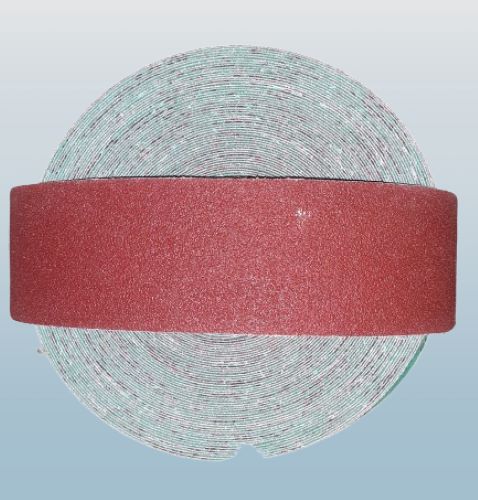
Production Paper
Auto refinishing is a critical process in the automotive industry, aimed at restoring the appearance and integrity of vehicle surfaces. This involves a series of meticulously performed steps, using a variety of specialized materials and equipment to achieve a flawless finish. The production paper will ensure a perfect autobody to complete the auto refinishing process, from surface preparation to the final coating, highlighting the materials, techniques, and safety measures essential for high-quality results.
Surface Preparation
Surface preparation is the foundation of any successful auto refinishing project. It ensures that the paint adheres properly and the final finish is smooth and durable.
- Cleaning: The first step involves thoroughly cleaning the vehicle’s surface to remove dirt, grease, and other contaminants. Special automotive cleaners and degreasers are used for this purpose.
- Sanding: After cleaning, the surface is sanded to remove old paint, rust, and imperfections. Sanding provides a rough texture that helps new paint adhere better. Various grades of sandpaper, from coarse to fine, are used depending on the condition of the surface.
- Body Filler Application: Dents and scratches are filled using body filler, a polyester resin-based compound. Once the filler hardens, it is sanded smooth to match the surrounding surface.
- Priming: A primer is applied to the prepared surface to create a uniform base for the paint. The primer also helps in further filling minor imperfections and provides additional adhesion for the paint.
Materials Used in Auto Refinishing
Several key materials are integral to the auto refinishing process:
- Cleaners and Degreasers: These are used to prepare the surface by removing contaminants that can affect paint adhesion.
- Sandpaper and Abrasives: Various grit levels of sandpaper are essential for surface smoothing and preparation.
- Body Fillers: Used to repair dents and surface imperfections, providing a smooth, even base for painting.
- Primers: Applied before painting, primers enhance paint adhesion and improve the durability of the finish.
- Paints: Automotive paints come in various types, including base coats, single-stage paints, and clear coats. Each type serves a specific purpose in achieving the desired finish.
- Clear Coats: Applied over the base coat, clear coats provide a glossy finish and protect the paint from environmental damage.
Painting Process
The painting process is the heart of auto refinishing, requiring skill and precision to achieve a high-quality finish.
- Mixing Paint: The paint is mixed according to the manufacturer’s specifications, ensuring the correct color match and consistency. Automated mixing systems or manual methods can be used.
- Spraying the Base Coat: The base coat is applied using a spray gun. Multiple thin coats are preferred over a single thick coat to avoid runs and ensure even coverage. Each coat is allowed to flash (partially dry) before applying the next one.
- Clear Coating: After the base coat has dried, a clear coat is applied. The clear coat enhances the depth of color and provides a protective layer against UV rays, chemicals, and physical damage. Like the base coat, multiple thin layers are applied for the best results.
- Curing: The painted vehicle is then cured, either by air drying or using baking ovens. Curing allows the paint to harden and achieve its maximum durability.
Finishing and Polishing
After painting, the vehicle undergoes finishing and polishing to achieve a flawless surface.
- Wet Sanding: Wet sanding with very fine sandpaper (1000 grit or higher) is performed to remove any imperfections, such as dust particles or orange peel texture.
- Polishing: Polishing compounds are used to restore the shine and smoothness of the paint. This step involves using polishing machines and various pads to achieve a mirror-like finish.
- Waxing: Finally, a protective wax layer is applied to seal the paint and provide additional protection against environmental elements.
Safety Measures
Safety is paramount in the auto refinishing process due to the use of hazardous materials and equipment.
- Personal Protective Equipment (PPE): Workers must wear appropriate PPE, including respirators, gloves, eye protection, and coveralls, to protect against inhalation of fumes and contact with chemicals.
- Ventilation: Proper ventilation systems are essential in spray booths to remove harmful fumes and ensure a safe working environment.
- Fire Safety: Given the flammable nature of many materials used, fire safety protocols must be strictly followed. This includes proper storage of flammable substances and the availability of fire extinguishers.
- Training: Workers should be adequately trained in the safe handling of materials and the operation of equipment used in auto refinishing.
Conclusion
Auto refinishing is a complex process that requires meticulous preparation, the use of specialized materials, and skilled application techniques to restore a vehicle’s surface to its original condition. By following proper procedures and safety measures, high-quality and durable results can be achieved, ensuring the vehicle looks its best and is protected against future damage. The combination of advanced technology and skilled craftsmanship makes auto refinishing a critical aspect of automotive maintenance and restoration.


