
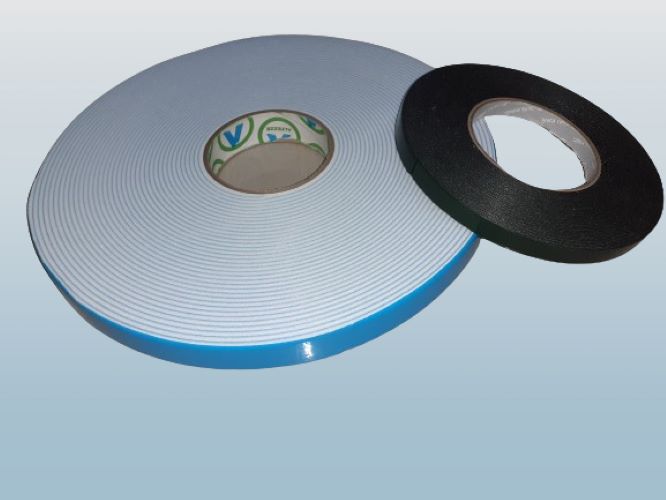
Double sided tape
Double sided tape is a versatile adhesive product widely used in various industries and household applications. Unlike traditional single-sided tape, double sided tape has adhesive on both sides, allowing it to bond two surfaces together seamlessly. We will explore the types of double sided tape, their applications, and factors to consider when selecting the right tape for specific tasks. Additionally, it will cover the advantages and limitations of using double sided tape and provide best practices for its application.
Types of Double-Sided Tape
Double-sided tape comes in various types, each designed for specific purposes and materials. The main types include:
1. Foam Tape: Comprising a foam carrier, this type of double-sided tape provides excellent cushioning and vibration dampening. It’s commonly used in automotive and construction applications where surfaces may not be perfectly flat.
2. Cloth Tape: Featuring a cloth backing, this tape offers flexibility and high tensile strength, making it suitable for applications that require durability and resistance to tearing.
3. Paper Tape: This type is easy to tear by hand and is often used for lightweight applications like arts and crafts or temporary bonding.
4. Film Tape: With a thin plastic film carrier, film tapes provide strong adhesion and are used in electronics, graphic arts, and general-purpose bonding where a thin profile is desirable.
5. Acrylic Tape: Made with an acrylic adhesive, these tapes offer excellent UV resistance and durability, suitable for outdoor applications and bonding dissimilar materials.
6. Silicone Tape: Silicone adhesive tapes are ideal for high-temperature applications and surfaces with low surface energy, such as certain plastics and silicones.
Applications of Double-Sided Tape
Double-sided tape is utilized in a myriad of applications across different industries:
1. Automotive Industry: Used for mounting trim, emblems, and mirrors, double-sided tape provides a strong, lasting bond and can withstand temperature variations and vibrations.
2. Construction: In construction, double-sided tape is used for mounting mirrors, attaching moldings, and securing flooring materials. Its ability to bond irregular surfaces makes it invaluable in this sector.
3. Electronics: Double-sided tape is critical in electronics for mounting components, securing cables, and assembling displays and touchscreens. Its clean application and strong hold are essential in delicate electronic assemblies.
4. Retail and Display: Used for creating displays, mounting signs, and securing promotional materials, double-sided tape is a favorite in the retail industry due to its ease of use and clean finish.
5. Arts and Crafts: In DIY projects, scrapbooking, and other crafts, double-sided tape provides a neat and effective way to bond materials without the mess of liquid adhesives.
6. Household Uses: Commonly used for hanging pictures, securing rugs, and minor repairs, double-sided tape offers a convenient solution for various household tasks.
Selecting the Right Double-Sided Tape
Choosing the appropriate double-sided tape involves considering several factors:
1. Surface Type: Different tapes adhere better to certain surfaces. For example, acrylic tapes are ideal for rough surfaces, while film tapes work well on smooth, flat surfaces.
2. Load Requirements: The weight of the object being bonded is crucial. Foam tapes can support heavier loads due to their thickness and cushioning properties, whereas film tapes are better for lightweight items.
3. Environmental Conditions: Consider the environment where the tape will be used. High-temperature or outdoor applications require tapes with resistance to heat, UV rays, and moisture.
4. Thickness: The thickness of the tape affects its ability to conform to surface irregularities. Foam tapes are thicker and can fill gaps better than thinner film tapes.
5. Removal and Residue: If temporary bonding is needed, choose a tape that can be removed cleanly without leaving residue. Paper tapes are often easier to remove than other types.
Advantages and Limitations
Double-sided tape offers several advantages:
1. Clean and Quick Application: It provides a mess-free and quick bonding solution compared to liquid adhesives.
2. Versatility: Suitable for a wide range of materials and applications.
3. Strong Bond: Offers strong adhesion capable of supporting substantial loads.
4. Aesthetic Appeal: Creates a seamless bond that is often invisible, enhancing the appearance of the finished product.
However, there are limitations:
1. Temperature Sensitivity: Some tapes may lose adhesion in extreme temperatures.
2. Surface Preparation: Proper surface cleaning is essential for optimal adhesion.
3. Load Limitations: Certain tapes are not suitable for heavy-duty applications and may fail under excessive weight.
Application Best Practices
To ensure the best results when using double-sided tape, follow these best practices:
1. Surface Preparation: Clean the surfaces thoroughly to remove dust, grease, and moisture. Use isopropyl alcohol for best results.
2. Pressure Application: Apply firm pressure when bonding the surfaces to ensure maximum contact and adhesion.
3. Temperature Consideration: Apply the tape in a controlled environment, avoiding extreme temperatures during application.
4. Alignment: Carefully align the surfaces before applying the tape, as repositioning can be difficult once the adhesive is in contact.
5. Storage: Store the tape in a cool, dry place to maintain its adhesive properties.
Conclusion
Double-sided tape is a highly versatile and effective adhesive solution for a wide range of applications in industries and households. Understanding the different types of double-sided tape and their specific uses, along with proper selection and application techniques, ensures optimal performance and durability. By considering the surface type, load requirements, environmental conditions, and best practices for application, users can achieve strong, reliable bonds that meet their needs.


